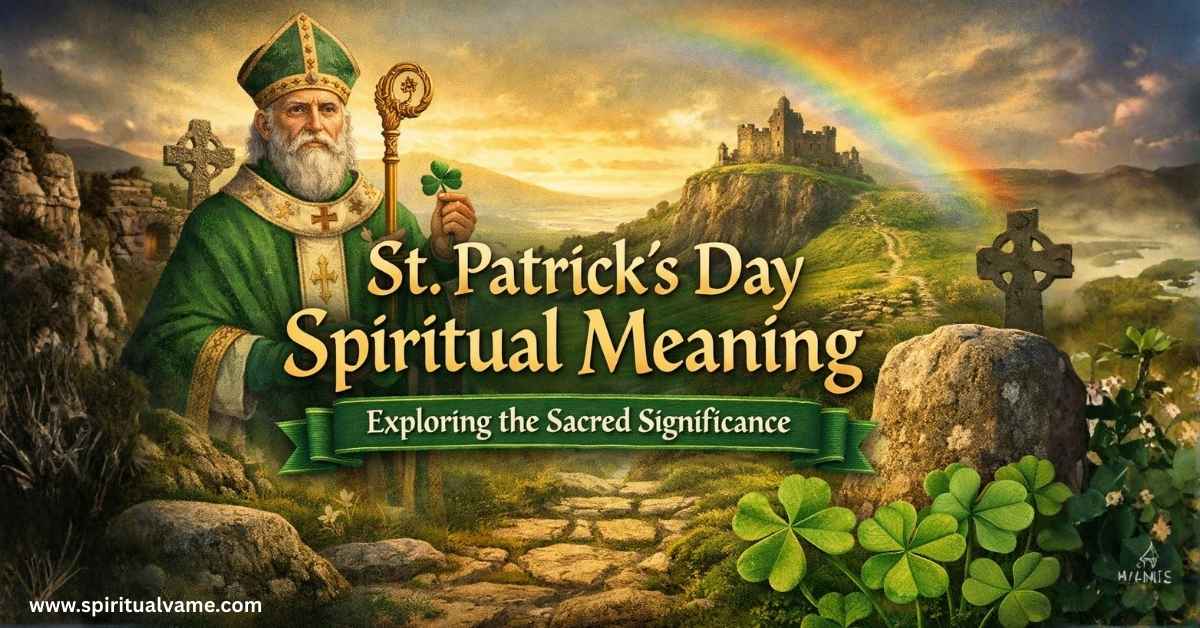
St. Patrick’s Day is celebrated on March 17, honoring the life of St. Patrick, the patron saint of Ireland. While many associate the day with parades and wearing green, the St. Patrick’s Day spiritual meaning goes much deeper.
It’s a time to reflect on faith, community, and devotion, rooted in St. Patrick’s mission to spread Christianity in Ireland. The spiritual significance of St. Patrick’s Day invites us to explore deeper themes like humility, renewal, and service. This day isn’t just about festivities; it’s an opportunity to connect spiritually, much like St. Patrick did throughout his life.
St Patrick’s Day Spiritual Meaning

St. Patrick’s Day is celebrated worldwide on March 17, but its spiritual significance often gets lost in the festivities of parades, shamrock-themed decorations, and green attire. This holiday is more than just an occasion to enjoy green beer or corned beef and cabbage. It carries a deeper meaning that connects millions of believers to their faith, heritage, and spiritual journey. St. Patrick, the patron saint of Ireland, was more than just a missionary; he was a symbol of hope, faith, and spiritual renewal. His life and work have left a legacy that reaches far beyond Ireland, impacting Christian faith and traditions globally. Let’s dive into the spiritual meaning of St. Patrick’s Day and explore how it reflects deep-rooted Christian values, from humility and service to devotion and renewal.
Sacred History Behind the Day
The history behind St. Patrick’s Day is deeply tied to the Christian faith. St. Patrick, born in Britain in the late 4th century, was kidnapped by pirates and brought to Ireland as a slave. During his captivity, he found his faith in God, becoming a believer and a shepherd. After escaping, he returned to his homeland, only to later answer a calling to go back to Ireland as a missionary. St. Patrick’s efforts to convert the Irish to Christianity were nothing short of transformative. He used his knowledge of the Irish culture and symbols, such as the shamrock, to teach the doctrine of the Holy Trinity — God the Father, Son, and Holy Spirit. Through his missionary work, he brought spiritual awakening to the people of Ireland, uniting them under a common faith.
St. Patrick’s Day is not just a cultural celebration but also a feast day commemorating his life and legacy. The day invites reflection, focusing on spiritual renewal and self-examination. As people worldwide gather in community, they honor the Celtic-Christian roots of the holiday while reflecting on St. Patrick’s devotion to the Christian faith and his extraordinary spiritual journey.
Meaning of Green in a Spiritual Thought
The color green is undeniably tied to St. Patrick’s Day celebrations. However, its spiritual meaning runs much deeper than simply being a symbol of Ireland. Green is often associated with growth, renewal, and life. In Christian thought, green represents the spiritual renewal that comes with faith and connection to God. The shamrock, which St. Patrick used to explain the Holy Trinity, is also green, symbolizing the interconnection of the Father, Son, and Holy Spirit. As believers gather on March 17, wearing green attire is not only a celebration of Irish heritage but also a reminder of the hope and renewal that faith brings into their lives.
In the context of the Christian faith, green also symbolizes the resilience of the Church, reflecting how the faith endures through adversity. For St. Patrick, green was a color that represented his mission of spreading the gospel throughout Ireland, bringing life and transformation to those who had not yet known Christ.
The Shamrock as a Sacred Symbol
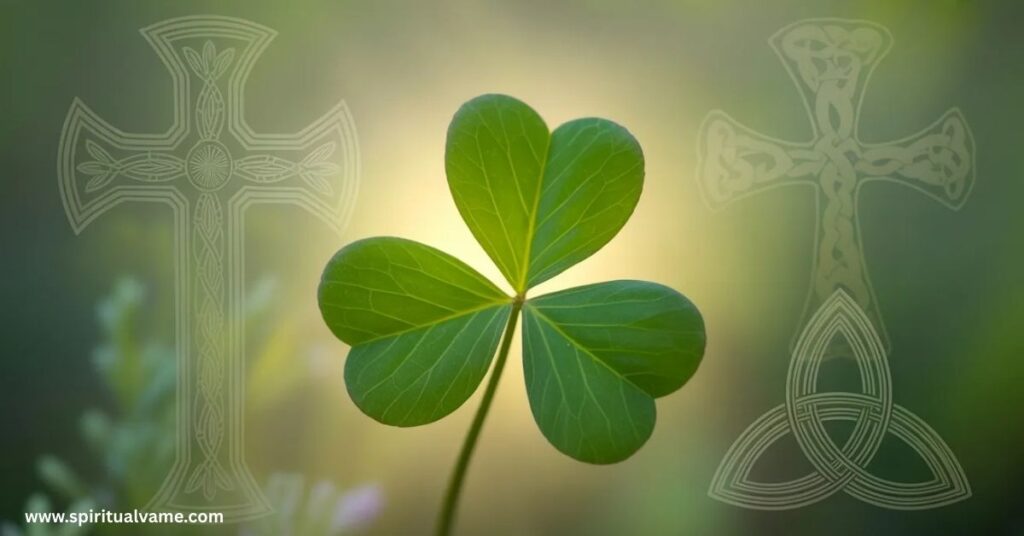
The shamrock is perhaps the most famous symbol associated with St. Patrick’s Day. But beyond its green color and cultural significance, the shamrock has profound spiritual meaning. St. Patrick famously used the shamrock as a tool to explain the Christian doctrine of the Holy Trinity. He taught the Irish people that just as a three-leaf clover has three distinct leaves but is still one plant, so too is God three-in-one: Father, Son, and Holy Spirit. The shamrock thus became a symbol not just of Irish heritage but of the Christian faith itself.
For many, the shamrock represents the unity of believers in the Christian community. It serves as a reminder of how faith can bring people together, transcending cultural, linguistic, and national differences. Today, the shamrock remains a sacred symbol of Ireland’s Christian heritage, reminding those who celebrate St. Patrick’s Day of the spiritual meaning that the day holds.
| Key Aspect | Spiritual Significance |
|---|---|
| St. Patrick’s Mission | Spread Christianity, conversion of the Irish people, and use of shamrock to teach the Holy Trinity. |
| Green Color | Represents renewal, growth, and spiritual renewal through faith. |
| Shamrock | Symbolizes the Holy Trinity (Father, Son, Holy Spirit) and unity in faith. |
| Humility | Central to St. Patrick’s life, teaches that humility strengthens spiritual journey. |
| Community | Celebrates the unity in Christian community, shared faith, and mutual service. |
| Service | Acts of service represent spiritual action, following St. Patrick’s example of selflessness. |
Faith as a Daily Practice
Faith was at the center of St. Patrick’s life, and it should be at the center of everyone’s daily practice. For St. Patrick, faith was not a one-time event or a once-a-year observance; it was a constant in his life. From his early years as a captive to his work as a missionary in Ireland, faith was the driving force behind everything he did. As Christians reflect on his life, they are called to consider how faith shapes their own lives.
Daily prayer, discipleship, and the practice of humility are all part of living a life of faith. Whether in times of joy or in moments of adversity, faith gives believers the strength to endure. The way St. Patrick lived out his faith—by serving others, spreading the gospel, and living humbly—provides a model for modern Christians to follow. On St. Patrick’s Day, as believers honor St. Patrick’s legacy, they are reminded to integrate faith into their everyday lives, not just as a ritual on March 17, but as a lifelong practice of devotion and service.
Freedom Through Spiritual Discipline
St. Patrick’s life exemplifies the idea that true freedom comes not from external circumstances but from the discipline of the spirit. Although St. Patrick was once a slave, his spiritual journey eventually led him to experience profound freedom in Christ. This freedom wasn’t about physical liberation; it was about the freedom to serve God and others without fear or hesitation. His story teaches that spiritual discipline—such as regular prayer, self-examination, and service—leads to true freedom. Through these practices, one can break free from the chains of sin, adversity, and fear.
As Christians celebrate St. Patrick’s Day, they are reminded that freedom is an inner state that comes from a deep relationship with God. By cultivating spiritual disciplines like prayer and reflection, they too can experience the kind of freedom that St. Patrick found through his relationship with Christ.
Nature and Divine Order
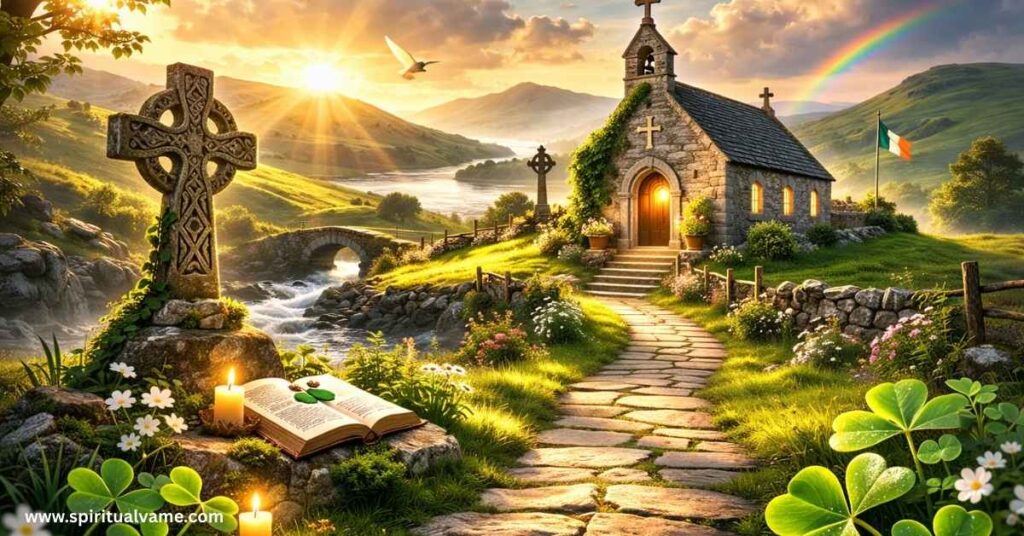
St. Patrick’s connection to nature is an important part of his spiritual journey. He often saw nature as a reflection of God’s divine order. In Ireland, the beauty of the rolling hills, rivers, and green landscapes inspired St. Patrick’s faith and reminded him of the Creator’s handiwork. Nature played a key role in his teachings, and he often used elements of the natural world—like the shamrock—to explain the doctrine of the Holy Trinity.
For many Christians, nature remains a powerful reminder of God’s presence and order in the world. By observing the beauty and intricacy of creation, believers can come to a deeper understanding of the divine plan. On St. Patrick’s Day, when people gather in community, they are reminded of the sacredness of nature and how it connects them to God’s work in the world.
Community and Shared Responsibility
One of the core teachings of St. Patrick’s Day is the importance of community. St. Patrick’s mission in Ireland was not just about individual conversion; it was about building a community of believers who would support one another in their spiritual journey. The community’s strength comes from shared responsibility—working together for the common good, serving one another in faith, and honoring God as a unified body.
On St. Patrick’s Day, people come together to celebrate not only their Irish heritage but also their shared faith. This communal spirit is at the heart of the spiritual meaning of the day. It’s a day to reflect on how Christians can serve one another and live out the call to love thy neighbor through acts of kindness, service, and support.
Core Spiritual Symbols and Meanings
St. Patrick’s Day is rich with spiritual symbols that hold deep meaning for Christians. The shamrock, the cross, and the color green are just a few of the symbols that carry significant spiritual weight. The shamrock, as mentioned earlier, symbolizes the Holy Trinity—Father, Son, and Holy Spirit—while the cross represents the Christian faith itself. The color green symbolizes renewal and life, reminding believers of the spiritual growth that comes with faith.
Each of these symbols serves as a reminder of the spiritual truths that St. Patrick shared with the people of Ireland. As Christians celebrate St. Patrick’s Day, they are invited to reflect on these symbols and what they represent in their own faith journey.
Spiritual Renewal and Self-Examination
St. Patrick’s Day offers an opportunity for spiritual renewal. The day serves as a reminder to pause and reflect on one’s faith journey. Just as St. Patrick underwent a profound spiritual transformation, so too are believers invited to reflect on their own growth and relationship with God. Self-examination is a key part of spiritual renewal, encouraging individuals to look inward and assess their spiritual health.
On this day, Christians are encouraged to engage in prayer, silence, and reflection to renew their faith. By doing so, they can experience the same spiritual awakening that St. Patrick brought to Ireland centuries ago.
Prayer, Silence, and Reflection
As St. Patrick’s Day approaches, Christians are called to pause and engage in prayer, silence, and reflection. These practices allow individuals to connect with their faith on a deeper level, just as St. Patrick did during his years in captivity and as a missionary. By taking time for prayer, believers can draw closer to God, seeking guidance, wisdom, and strength. Silence provides a space for individuals to listen for God’s voice and reflect on their spiritual journey.
Humility as a Spiritual Strength
St. Patrick’s life teaches the importance of humility in spiritual growth. Despite his incredible missionary success, he remained humble, always attributing his achievements to God’s grace. Humility allows Christians to serve others without seeking personal recognition, much like St. Patrick did throughout his life. On St. Patrick’s Day, individuals are encouraged to reflect on the role humility plays in their own spiritual journeys and to practice it in their daily lives.
Service as Sacred Action
St. Patrick’s Day is not just a time for celebration but also a time for service. Service is one of the most sacred actions a person can take in the Christian faith. St. Patrick’s life is an example of how serving others can transform lives and build a community of believers. On St. Patrick’s Day, Christians are called to serve their communities, whether through acts of kindness, charity, or simple gestures of support. Service is a reflection of the Christian mission and a way to honor St. Patrick’s legacy.
Personal Transformation Through Faith
St. Patrick’s life is a powerful example of personal transformation through faith. From his early years as a slave to his work as a missionary, St. Patrick’s life was marked by spiritual growth and a deepening relationship with God. Through faith, he overcame adversity and found his true calling. His life is a testament to the transformative power of Christianity and devotion. As Christians reflect on his story, they are encouraged to consider how their own faith has transformed their lives.
A Final Reflection on St Patrick’s Day
As St. Patrick’s Day draws to a close, Christians are invited to reflect on the deeper spiritual meaning of the day. Beyond the celebrations and festivities, this holiday is an opportunity to connect with the Christian faith, reflect on humility, and renew devotion to God. St. Patrick’s life serves as a reminder that faith is not just about traditions but about living a life of service, renewal, and spiritual awakening. As believers celebrate, they are called to honor St. Patrick’s legacy by living out the Christian principles he embodied: faith, humility, service, and transformation.
Conclusion
In conclusion, St. Patrick’s Day spiritual meaning offers more than just celebrations. It’s a time to reflect on faith, service, and personal growth. The story of St. Patrick teaches us about devotion and humility. It reminds us that faith can bring positive change and hope. As we celebrate, we can focus on the deeper spiritual lessons behind the day. The spiritual meaning of St. Patrick’s Day encourages us to practice faith, connect with others, and serve our communities. This day holds rich lessons about devotion, renewal, and sharing love. Embracing the spiritual side of St. Patrick’s Day brings peace and fulfillment to our lives.